Showing posts with label wildness. Show all posts

Thursday, February 02, 2012

The Daily Wild Zine and a Special Gift from Blue Turtle Botanicals


Friends, it is with GREAT Pleasure that I share this lovely little announcement with you!   A dear sister in the Southwest, Meekah Sage, has created a wonderful little art zine- The Daily Wild zine.  Its a beautiful tribute to rewilding, resacreding, living fully, sensory awareness, nature connection and so much much more!  
I'm super honored to be featured in  an interview in this month's issue on Love, Sex and Aphrodisiacs.  
But there is more!

If you are one of the first 10 folks to order a paper copy directly from Meekah, you will get a special free package of Love Charm Herbal Aphrodisiac Tea from me!  And everyone who orders a copy, paper or pdf, will get a special discount code to be used in my store at Poppy Swap!


You can order your copy now  at the DailyWild Blog today!

May your month be as juicy and glorious and full of love as you can dream!


Saturday, December 10, 2011

Early Registration for Weaving the Wheel of the Year is Dec 15!


"The mother of us all, the oldest of us all, Hard, splendid as rock, let the beauty you love, be what you do. There are a thousand ways to kneel and kiss the earth"~ Rumi ~


The Early Bird registration date for Weaving the Wheel of the Year is approaching this week!  Anyone who registers by Dec 15 is going to receive a sweet welcome gift package right around Yule time!  If you've been thinking of joining in for the journey, don't wait, and get started with your connection to yourself- to the Earth- and to Spirit in the season of Yule!  


Weaving the Wheel Monthly Payments


Weaving the Wheel - Full Payment
 

Weaving the Wheel of the Year


Do you feel the seasonal shifts of the Earth in your heart, bones, and spirit?

Are you yearning to find meaningful ways to connect with and honor these energies of the Earth and your spirit?

Do you have a sense that the power and magic of the Earth and the plants is something you could tap into for your healing and well being?

Do you notice the ways that certain plants seem to become more vibrant and powerful at different times of the year?

Would you like to learn practical and effective ways to nourish and prepare your body, your home, and your spirit to live in tune with these seasonal cycles and shifts through food, herbal medicine, ritual, and community?

Do you feel like a kitchen goddess, who enjoys brewing up pots of soup, creative meals, herbal brews, and magical potions for your family and friends?

Are you ready to dive whole-heartedly into all this and more?


Then join me on a powerful journey deep into the medicine and power of the seasonal shifts that our beloved home, Earth, moves through each year. I have spent many years as an herbalist wandering the wild lands of the west- the deserts and mountains, and the east- forests and fields, watching, sensing, and learning about how the seasons, and the seasonal shifts effect our biology, our spirits, and our life journey. I have sat with the plants and learned so much from them through personal experience and communion. They have shared how to spiral into the energy of each season with plant medicine, with appropriate foods, with ritual and ceremony, and nature awareness. My life has been deeply changed and fully nourished by sitting on the Earth and feeling her power and her moods. Now I would like to share this experience and journey with you- so that you too may be deeply nourished from Gaia’s healing plants, foods and energies.
In this unique program you will receive an in-depth, hands on and heart-centered lesson and herbal medicine for each quarter and cross quarter day for a full year. That is 8 lessons and 8 seasonally appropriate herbal medicines to help you balance and attune to the energies of the earth happening around you and within you. Plus access to a community of like minded spirits, and specific practices and suggestions for you from me as you explore!
You will recieve every 6 weeks (8 times per year):
  • 1 seasonally appropriate herbal medicine to help you attune and adjust to the seasonal energy (2 oz tincture, 2 oz tea, 1 plant or flower essence, 2 oz oil or salve)
  • 1 surprise gift for your ceremony, practice or celebration of each season
  • A lesson jam packed with information about the seasonal energies present at each quarter and cross quarter day, plants and herbal medicines that can support you in each seasons energy and work, seasonally appropriate activities to do alone or with your family, journaling questions and more.
  • Periodic emails highlighting special natural events, shifts, and resources as you work within the program.
  • Access to a private community web space to share your discoveries, challenges and inspirations and stay in touch through the years changes.
  • A private teleconference for participants only each 6 weeks with Darcey on a seasonally appropriate topic and Q&A session.

If you are ready to discover your deep and powerful connections with the rhythms of the Earth and her seasons through herbal medicine, healing foods, and time spent on the Earth, then join me today for this amazing journey!
Program begins on Imbolc/St. Brighid’s Day, February 1, 2012 and continues through mid January 2013. Space is limited in this unique and transformative journey, and will close early if all the spaces fill before the deadline!
Registrations accepted through Jan 15, 2012.

Monday, August 15, 2011

Song for the Night Rain

soft summer night rain song...oh the longing, oh the wistful ache, oh how too fast life blows by in a blink of the eye.

i want to be reborn as a mighty old mother oak tree...watching the twist and swirl of life currents, 
earth spirals on tree time...

to feel seasons pass as if dreams, upon waking finding a new dream to dream, 
feel the rotting of leaf matter feeding, and the fleeting burst of mushrooms rising to the occasion...

to know the dark secret heart of Her, to touch with outstretched roots the firey creation of her fecund womb
to caress with leafy fingers aloft, along with moonshine, and cloud mist, the miracle of her ceaseless respiration 

to taste the raindrops and summer dew as the sweet nectar that falls from her breast
and feel the snowy down, the cocoon for metamorphosis 
from dying, to birthing, to living. 


each leaf that drops a blessing, and an offering to her fertile altar
the fruit that falls, endless potential,
 neverminding the bears and boars that consume them, 
making pregnant with the seed of my tree soul, 
to birth again, a new potential
My dreams transformed to fruit in the alchemy of life eating life.


Friday, March 04, 2011

Still sleeping

Winter is still in control. It's icy grip lays over the land, relinquishing nothing.  Not a trace of spruce tips- too early for that-  poplar buds frozen solid, with sticky resin inside that burns my tounge with its pungency and balsamic taste, it will be weeks before it is time to harvest that medicine- not even the hawthorn buds are swelling.


The ocean of snow, perfectly poised with precision- waves waiting to crash in on themselves when the skin kisses the vast expanse.  But for now- seeds lay sleeping far beneath the icy waves.


Hawthorn buds in waiting
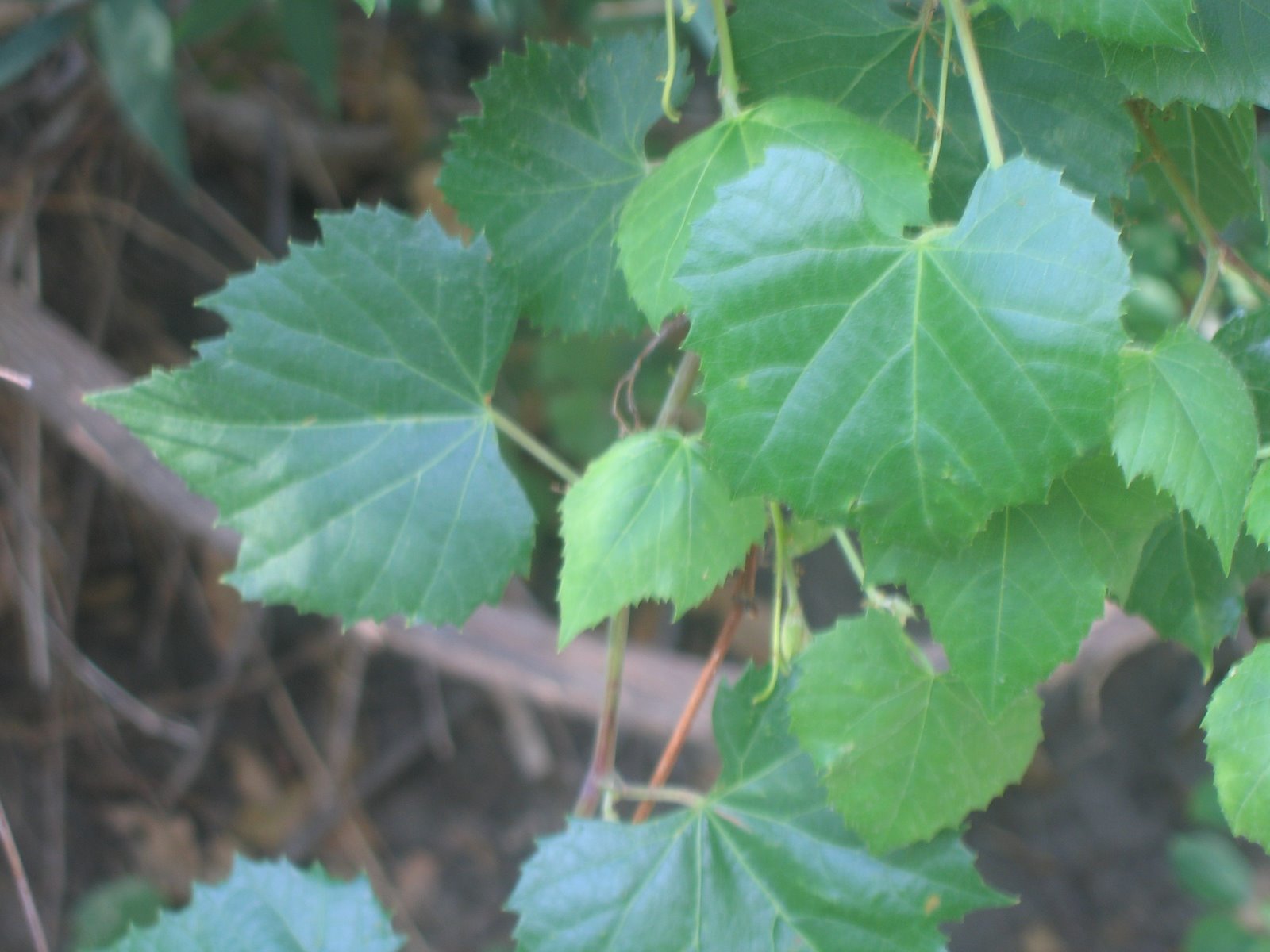
I've been remiss in visiting my spiny hawthorn tree for the Tree Year in the fields below.  Crossing the ocean of snow is daunting.  She is still sleeping as well.  Wild cucumber and grape vines dangle lifelessly from her spiny arms, also waiting.  No sign of bird nor squirrel.  Just waves of snow 5 ft deep.


But the birches have birchkins...thats my word for catkins...because really they aren't cats, they are birches, and birchkins sounds more fun. 

birchkins 

 It is supposed to storm again this weekend, but could end up being rain, so instead of working today like I had planned ( had a list going even) I went outside. The first time in months it feels like.  It really did take about 30 min to get dressed and get the snowshoes on and get the dog ready, but it was almost warm in the 25 degree sunshine.  But the snow doesn't think so, nor do the poplar buds. 

So here we are, all the plants, and all the herb folk still locked in winters icy reign- still sleeping, still hibernating, still awaiting the kiss of the sun prince to wake us from the 100 day slumber.

Saturday, October 23, 2010

Landing

 It has been about 3 weeks since I landed on these 100 acres in western Maine.  All the flaming red sumac leaves have fallen, and the winds that howl and usher in the winter wail all night long, racing clouds across the moonlit sky.  We arrived just in time to see the plants in their last glory before winter snows and frosts set in.  It has always been that the way I find myself home, in place, rooted to a landscape, has been through the plants- familiar trees, unique species, weedy friends growing abundantly, mysteries to discover.  I've been taking slow, rambling walks in various
 places on the land to get to the plants growing around me, and find the special places that call to me.  They are the perfect kind of slow, easy walks for my injured ankle, with lots of stops to check out a plant or say hello to a tree, or just sit and feel the crazy wind whip around in my hair.
     Landmarks are beginning to show up, and I'm finding that names for those places are popping into my mind without even thinking about it.  There is Faery Row- the long line of apple, cherry and hawthorn trees in the fields below the house, and Wood Hollow- the small patch of woods left untouched surrounded by acres of fields on all sides.  It is fascinating to observe the way the land is reclaiming itself, after a heavy logging in the not to distant past, and another livestock operation that stripped parts of the land around the house down to bare gravel.  So many young trees, and weedy medicines reclaiming the bare spots. It  does mean that there are few to none of the more sensitive and climax type woodland understory plants growing here.  But perhaps the unique oppurtunity to reintroduce native plants, and help in restoring the land as it reclaims itself.
    Just yesterday at dusk I discovered a huge old Mama Golden Birch, with two shining, leaning trunks, which I'm sure is the Mama for the numerous smaller birches living among the many small Elder shrubs in the boggy area in the woods behind the house.  And I was beside myself with joy to find many small elder shrubs all along the forest edges.  It was one of the plants I had hoped to plant here, to protect the land, and for medicine, but it seems that the Fae have already been at work here!  The plants I've already found on the land here include...                                    
Trees: Sumac, Golden Birch, White Birch, Northern White Cedar, Elm, Apple, Black Cherry, Hawthorne, White Pine, Maple, Balsam Poplar, Hemlock, Aspen, Alder, Oak, Elder.  The medicinal Plants:  Raspberry, Red clover, Dandelion, burdock, yellow dock, yarrow, goldenrod, pearly everlasting, st johns wort, Mullien, evening primrose, Grape, Cinquefoil, Rose, Milkweed, Blueberry, clematis, plantain, asparagus, blackberry, catnip, and alfalfa, coptis, mitchella, bunchberry dogwood.  
I can feel the winter closing in quickly as the last leaves fly through the air on the wind, and frost covers the grass each morning.  Each day I go out and give thanks to the land and forces that brought me here, and eagerly dream about next springs garden plans and to see who else might pop up in the warm season.

Tuesday, October 19, 2010

Nourishing the Wild Self: Part 4 -Wild Foods and Community


Eat Wild
"Once we have tasted wildness, we begin to hunger for a food long denied us, and the more we eat the more we will awaken." -- Stephen Harrod Buhner

An even deeper way of connecting with and nourishing your wild self is to consume wild food!  For millions of years humans have foraged and hunted everything they ate directly from the wild.  Eating from the wild requires even more consciousness and effort, and deepens our connections with the wild land, and our wild body and heart in a way that nothing else can.  Once you tap into the sources of wild food available to you, you become more aware of the fact that we are OF this EARTH, and she provides everything for us- air, water, food.    Eating from the wild season after season allows you to begin to see the larger patterns in ecosystem well-being, and fluctuations that are normal, or those which are the result of human interaction.  When you have this kind of relationship with the land you live on, weather it be an urban park, the edges of the community garden or the wild lands in the hills, you can become a caretaker and spokesperson for the well-being of that land, and the communities, human and non-human alike, that depend on it.  By seeing the wild plants, animals and places as a resource to be cared for, respected and used for food, you can prevent them from becoming parking lots, or shopping malls, or dog parks.  If you and your loved ones depend on those places and resources, you will want to defend and protect them.
 Eating wild makes you more self reliant and confident, as you become aware of what is available to you beyond what others provide.  Wild foods can include wild plants growing in abandoned lots, on the edges of farmers fields, wild berries, wild nuts and seeds, animals that are hunted for food, or fresh roadkill.  The benefits of tapping into wild food sources are many.  Plants grown on wild soils that haven’t been depleted by extended periods of agriculture are richer in nutrients, and wild animals eating the diet they evolved with, and moving about the landscape on a daily basis are healthier, happier and more nutrient rich.     
The very act of harvesting wild foods reconnects YOU with your wild self and wild body.  What does it feel like to lay stretched in a sandy river bottom picking up acorns for hours?  Do you notice how your senses sharpen, you notice every breath of wind, water tastes that much sweeter, you take in deep nourishment from the land and creatures around you, weather you see it that way or not.  Many studies have shown that time in nature improves peoples physical health, and emotional/spiritual health as well.  The wild self needs to be nourished in this way.  This goes for those who gather wild plants, and those who hunt animals for food.  Putting yourself face to face with the reality of what it means to live on this earth, and what “food” really is.  Food is far more than a plastic wrapped hamburger patty or salad in a plastic box.  Food is our relationship with the land, and a source of nourishment on multiple levels.   And how does it feel to your wild self to be able to provide sustenance and nourishment to your loved ones and community?  How does nourishing others nourish you? 
How can wild foods nourish our communities as well?  It is easy to imagine a community of women going out to gather the wild weeds, fruits, and nuts together, and returning to the community to process, store and prepare these foods.  This isn’t just an actitivy for tribes of old.  We modern humans need to nourish and strengthen our bonds to our communities, and community harvesting is a beautiful way to do that.  The same thing goes for hunting parties of men and women, and even children.  Entire families join in the hunting trip, getting out into wilder places, and can take part in the butchering and processing of any animal taken.  This kind of community work increases our sense of connection with our neighbors and friends, and our sense of interdependence.  We come to know who and how we can rely on in times of need.  People can come together to protect resources that serve the community. 
 
Food as Sacred
It is also wise for us to remember that our wild selves need to be connected with “the sacred.”  For some that means joining a religious community, others find it in private meditation.  But the sacrament of food is something many people have forgotten and should be brought back into our daily lives.
  Food brings people together- both to prepare it, and to eat it. Many family traditions revolve around special holiday meals, or traditional dishes.  The kinds of foods we eat are deeply connected with our social heritage and culture, and food is deeply rooted in our emotional sphere and limbic systems.  Eating food, no matter with whom, how we eat it or what we eat should be a sacred act.  The act of taking life- no matter how large or small, plant or animal, into our body to sustain us, requires deep responsibility, gratitude and presence.   Food is a sensual experience, and we should make an effort to fully take in all the nourishment that food provides- on that sacred level.  This means not watching TV while eating, paying attention to every bite, eating peacefully and joyously with others we share our meals with, giving gratitude to the creatures that gave themselves for our nourishment, and anyone else involved in the procurement of our food: farmers, workers, market vendors, hunters, gatherers etc.


No matter where your food comes from it should be eaten in the spirit of gratitude and peace.  If you feel guilty over what you are eating, or where it came from, and can’t eat without those feelings of remorse, it is time to rethink.  What is most nourishing to you?  What nourishes your community and your land base?  Are there ways you can obtain food that will fill you joy and gratitude?  Many people have chosen to refrain from eating certain foods for the guilt or environmental destruction it causes, but no longer nourish themselves completely.  It is a two way street, you both nourish your wild self deeply, and make choices which nourish the communities and land around you.  Choose to get your meat from a local rancher who treats his/her animals with love, respect and a good living.  Grow your tomatoes in a pot on your patio if you can’t get tomatoes that haven’t been raised with pesticides and slave labor.  Find or develop a community garden to allow your community to grow their own produce.  Harvest fruit from trees planted in your city that fall to the ground and rot otherwise.  Find a hunter who is willing to share his/her meat with you, or take you along and teach you to hunt your own.  Join a CSA or get to a farmer’s market.   Realize that every step you take, no matter how small it seems, to free yourself from the industrial food system that damages not only our environment, but our communities and our own personal health, serves to nourish the wild on many levels.  Find just one thing you can start doing today, or when you get home.  What will it take? Find ways to juggle your finances, or work together with others to make it easier to acquire good food.  Ride share to the farmers market each week, buy a grass fed cow and split it with your neighbors, grow a garden.  Realize that things can NOT go on the way they are in our culture- and we are responsible for making the changes happen we want to see in the world.

If you've enjoyed this series, please be aware that I gave this as a class at the 2010 Traditions in Western Herbalism Conference, and recordings will be available in the near future!  Check out this years conference! You won't want to miss it!  Traditions in Western Herbalism Sept 15- 18, 2011

Friday, October 15, 2010

Nourishing the Wild: Part 3- nourishing foods and local food

The human body is an amazing system that runs, heals itself and prospers when given all the right tools or nutrients to do so.  Many of our herbal therapies revolve around NOURISHING herbs like Nettles, oatstraw or rosehips.  The wild body is made up of all that you eat.  Shouldn’t the food we consume be firstly, nourishing?  The wild body needs NUTRIENT DENSE foods.  This excludes foods that have little nutrient content.  This includes processed foods, especially those which have to be fortified to have any nutrition.  White flours, sugars, sodas, chips, cakes, pastas.  I tend to think of industrial foods, foods which come in a fancy box or bag, and bear little or no resemblance to the original plant or animal from which it came.    Nutrient dense foods are whole, unmodified, and vital.  This includes fresh produce picked at peak ripeness (not artificially ripened with chemicals in shipment from two continents away), animal foods from healthy, free range, wild sources, nuts/seeds.

Modern vs Traditional Foods
  The work of people like Weston Pricehave brought to the forefront the fact that for much of history, and prehistory, the diet that humans ate served them well, and we were free of most chronic diseases (diabetes, cardiovascular diseases, cancers, autoimmune conditions).  These types of diseases are known as the diseases of civilization, and only showed up in societies after the introduction of widespread consumption of grains, and worsened dramatically with the introduction of modern processed foods and sugar.  Many traditional peoples living on their traditional diets into the early 1900’s suddenly were found to have “modern” diseases shortly after the introduction of these modern foods by colonizing societies.  Doctors who worked in colonies traced the appearance of these diseases.  The human species literally ‘grew up’ on foods that consisted of wild or pastured meats, seafood, eggs, nuts and seeds when available, wild fruits like berries and wild plant foods. 
Our modern food system has further decreased the nutrient content of our food by depleting the soil, and feeding animals inappropriately, and in both cases growing the ‘product’ in a way that is not in line with the needs of that organisms biology.  Soils that have been under cultivation for any extended period of time gradually get depleted of minerals, through uptake into the plants grown there.  Modern industrial agriculture only replenishes the soil with three nutrients (Nitrogen, Phosphorus, and Potassium), that are required for plants to survive, but neglect to replenish the soil with other minerals like magnesium, calcium or other trace elements.  This is including all the soil that runs off in irrigation ditches, or blows away as dust in drought years.  Thus- an apple is not what it was 100 or even 50 years ago.  The nutrient content has decreased by leaps and bounds.
Likewise animals raised for meat are confined and fed corn and soy (much of which has been genetically modified), which disrupts the delicate balance of gut flora, increases the incidence of e. coli, and completely changes the fat profile of the animal, favoring the production of Omega 6 fatty acids vs Omega 3 fatty acids, unlike their wild and grass-fed cousins.

So the wild body needs and desires nourishment- what precisely do we need to feed our wild body in the most optimal way? 

Minerals- minerals are abundant in plant foods like greens and fruits.  Grains and legumes tend to prevent the absorption of minerals unless fermented and sprouted.
Seafoods like kelp, oysters, etc are rich sources of many minerals, including the precious trace minerals that are no longer found in our agricultural soils.   Certain minerals are richer in animal foods like zinc and iron.

Healthy Fats- Contrary to what “modern’ knowledge has been telling us for the last 50 years, fat is an essential nutrient.  Fat phobia is rampant in all circles, but fat is not our foe.  Fat is a dense source of energy, rich in fat soluble vitamins that are hard to get otherwise in the diet, fat makes up our cell walls, 70% of our brain tissue, is the precursor for hormone synthesis.  Most commonly Americans are deficient in the Omega 3 fatty acids, which for much of history we got from eating wild, grass-fed animals and fish.  Modern meat production practices have virtually eliminated this from our food.  Eat wild fish and grass fed meat.  Many fat soluble vitamins (A, E, D) are deficient in folks who avoid healthy fats.

Vitamin D – Though present in small amounts in fatty animal foods like fish, liver, full fat dairy products and eggs, adequate vitamin D intake has most often come from our skins ability to make it when we are exposed to sunlight.  The wild human optimally spends time outside in the sun everyday.  To fully nourish your wild body – you need to get outside.  Go out and forage some wild foods, grow a garden, and take off the long sleeves and sunscreen for a little while. Make some Vitamin Sunshine D.  For many of us  who live in cold climates in winter, or who work inside all day, getting enough Vitamin D can be downright impossible.  Many practitioners of all walks (natural and allopathic) are beginning to see the importance of Vit D in all sorts of chronic ‘modern’ diseases, and recommending to their clients/patients to supplement with Vit D.  Range can vary between 2000 i.u. to 10,000 i.u. per day.  You can get your Vit D levels checked with a simple blood test (25(OH) vitamin D) and it should be somewhere between 50–80 ng/mL.  For most people this requires at least 4000 i.u. per day.  Nursing or pregnant mothers may need more, as do those with serious health issues (cancer, diabetes, autoimmune disease, osteoporosis etc).


Eating Local:
Eating locally is all the rage these days, for many reasons. The food tastes better, is more nutritious, supports local economies and puts us in contact with the people and the land producing our food.  In what ways does this nourish our communities and land bases? And how does it nourish our wild selves more deeply?
Food grown and produced locally is generally fresher, more nutritious, and most often grown in a sustainable way.  When you buy food from local farmers, markets and vendors you support the right livelihood of those people in your community.  You give these people who love the land, and who love what they do a chance to do just that, and a way of nourishing THEIR wild self. When supported by a community that values what they provide, and asks for what they want, these people can become important stewards of the land base which the community depends.  It becomes less about how much money, and growing more and more, and more about what is valued by the community, and how to sustain the land, and the community.


 When you support local growers/ranchers/farmers you can also ask them for what YOU want.  Knowing that they are supported by their community, they can respond and provide for what the community asks for.   
By sourcing your food locally you can also disengage from the industrial food system which is so damaging to the environment, local economies and our health.  Another important aspect of this disengagement from a very unsustainable industrial food system, is peak oil.  I don’t know when we will run out of oil, and if we’ll have developed an alternative energy source, but at the very least, the reduction in cheap oil availability is going to seriously impact how food is delivered.  No more oranges from Chile in December or lamb from New Zealand.  Wouldn’t it be nice to know that you and your family will still have access to nourishing food sources that are local if and when that happens?  And by engaging in the local food market you also strengthen your ties and relationships with the community, the community that you may be dependent on in an emergency, or when things go awry.

Places to get your local food include farmer’s markets, which are springing up all over the country, both urban and rural.  CSA’s (community supported agriculture) where your dollars go directly to the farmer to produce food for you over the season.  I’ve lived in many places, and have found that local ranchers and farmers often sell their products right at their home.  Ask around in the community- chances are someone knows someone who is selling their eggs, or raising their own grass fed bison.    Local co-ops often are full of local products as the local movement gains strength.  Make sure to ASK for it!

Of course, the most obvious way to eat locally is to grow your own food.  It is true that many of us live in apartments in the city with no garden space so to speak of.  Many urban areas have thriving community garden organizations that will rent you a small plot for a fraction of the cost it would be to buy that much organic produce at the market.  When I was a member of the community gardens I paid somewhere between $30- $200 for an entire season/year of garden space and water.  Add another $100 for seeds and plants and soil amendments.  You’ll pay for that in a month of buying produce at the market. In addition, community gardens have a unique mix of beginning and well seasoned experienced gardeners, who are all eager to help each other, and learn from each other.  Even if you’ve never gardened before, the community garden will have someone who can answer your questions.   Learning to feed yourself and your family from work and love you put into a seed and the earth is an incredibly nourishing experience for the wild self.  It provides freedom, confidence in yourself and deepening connection with the land and ecosystem you live in.  You become closer to understanding that plants are living beings no different than animals, and the finer nuances of what each individual plant needs, and where the water comes from, where the nutrients for the soil comes from, how often it is raining, and what the seasons are asking of you in tending your food garden.

Friday, October 08, 2010

Nourishing the Wild Self: Part 2 -What is True Nourishment?

What is true nourishment then?
What does it mean to nourish yourself? Beyond self?

Nourishment:
Etymology: Middle English nurishen, from Anglo-French nuriss-, stem of nurrir, norrir, from Latin nutrire to suckle, nourish; akin to Greek nan to flow, noteros damp, Sanskrit snauti it drips
Date: 14th century
1 : nurture, rear
2 : to promote the growth of
3 a : to furnish or sustain with nutriment

From Merriam-Webster dictionary online (www.merriam-webster.com)

Nourishment is that which sustains, promotes growth and nurtures and tends. Healthy and vital food nourishes our body. But we are not just a body, nor are we separate from the Earth which is nourishing us from her body. We must also nourish and tend our spirit, our hearts wild desires and needs, our families and communities, and in turn nourish and tend the Earth from which it all comes.

The Wild Self requires nourishment on all these levels to thrive and become vital. Thus one cannot eat food which nourishes the body on a purely biochemical level, and expect it to nourish ones spirit if it fills your heart with remorse, heartache, guilt or disgust. Likewise, does the food you purchase and feed to your family nourish your greater community? Does it provide livelihood, health and connection for the farmers and laborers who grew or harvested it? Does the farm or rancher from which the food you eat comes from tend and nourish their land with attention to the soil and the long term sustainability and well-being of the land.


Ask:
In those terms, when you hear the words, Eat Wild! what comes to mind?

How can we find ways to “eat wild” that nourish our bodies most deeply, nourish and tend our hearts and spirits connection to the wild Earth, and directly nourish and tend our communities, and the Earth/land on which we all depend- human and non-human alike?

I realize that some of these suggestions go against what the conventional knowledge of our culture tells us, and require extra expenditures of time, effort and/or money. Some of these suggestions will not be completely achievable by each and every person, but I urge you to find that wild place inside you, and feel deeply what calls most to you. What CAN you commit to in your life, where you live? What feels most urgent and insistent in your wild heart?

Nutrition
What nourishes our wild body most deeply?

Activity:
Tune into the place in your body where you feel your wild self. Now Take a moment and contemplate what the “wild body” is, looks like, feels like?

The ‘wild body’ isn’t about being perfectly svelte or in perfect health at all times. The wild body feels deeply, senses deeply, knows intuitively what it needs to be nourished. The wild body is able and vital, it is capable of performing the tasks which the wild heart insists upon, the wild body is challenged, and the wild body rests. The wild body is respected, appreciated and tended.
The wild body will tell you what it needs to be nourished, if you can learn to differentiate between cravings and true nourishment, and if you can move past the ‘shoulds’ and moral judgements about what is “good and bad” to eat.


Activty:
Tune in again to your wild self. Listen deeply- if you could have any one food at this moment, what does your wild body desire? Feel where in your body you sense that. Now, take a moment and think about your favorite craving, something you feel you might be a little addicted to, or something that is “bad for you” as deemed by culture/society . Where in your body do you feel that craving? Notice the difference between a craving, an addiction, a judgement from a culture that is not “wild.”

Use this as you go ahead in life to take a moment and feel in any situation what FEEDS and NOURISHES that wild place in your self, and what is coming from outside- either as judgement, moral, addicition or craving. It is important to differentiate between an unhealthy addictive craving or civilized judgement on what is good for you, and what your true wild nature KNOWS intuitively is good for you.

Tuesday, October 05, 2010

Nourishing the Wild Self: Part 1- What is the Wild Self?


Today, I’m not here to tell you what to eat, what is or isn’t right or healthy, but to encourage you to connect with your most wild, vital self- and discover what nourishes and feeds THAT self on the deepest most vital level.  Granted there are some basic nutritional parameters for a generally healthy functioning human body, which we’ll go over briefly, but lets explore deeper than macro and micronutrients, and find what truly NOURISHES the wild in you, and around you.


Ask:  What does the term Wild bring to mind? 
            What does it mean to “be wild?”


What is the Wild Self?

Wild: 1 a : living in a state of nature and not ordinarily tame or domesticated
b (1) : growing or produced without human aid or care 
c : of or relating to wild organisms
2 a : not inhabited or cultivated
3 a (1) : not subject to restraint or regulation :
(2) : emotionally overcome ; also : passionately eager or enthusiastic
c : going beyond normal or conventional bounds
d : indicative of strong passion, desire, or emotion
4 : uncivilized, barbaric
5 : characteristic of, appropriate to, or expressive of wilderness, wildlife, or a simple or uncivilized society
6 a : deviating from the intended or expected course

From Merriam-Webster dictionary online (www.merriam-webster.com)

For our purpose the WILD SELF is :  The self that is uninhibited, untamed, free from restraint and regulation, passionate and emotional, that goes beyond what conventional culture expects of us.


The wild self does not submit to “rules” about which diet or kind of food is “right” without question or thought.  The wild self knows instinctively what feels most nourishing, but has often been locked away, cajoled, coerced and silenced by a culture that imposes its rules of what is right for our bodies and our lifestyles.

How many of us find ourselves deviating from the “normal” diet, the normal “work”- feeling that something is amiss with the expectations set before us?  Do you fight internally or externally against what is expected of you?  Against rules that were ingrained since childhood? 

Activity:  
For a moment, I want you to recall a moment in your life when you felt most alive, awake, and in touch with your hearts wildest callings and emotions.  This could be a moment of passion, fear, righteous anger, or peace/bliss.  Perhaps it comes strongest while sitting alone in the woods, while defending someone you love, when following your passion for making music or gathering plants, or while swimming naked in wild water.  Find the place in your body where you feel this wildness emerges.  Somewhere between your sex and your heart?  Feel that place in yourself.  Feel your wild self and its urgings.

Ask:  Where do you feel that?  What feelings do you experience?

  Remember and feel this place when you begin to explore what your wild self needs to be nourished.


The Wild is also our wild, living planet that endlessly and graciously provides for us- air to breathe, sunlight to warm us, cool waters to drink, plants that grow for food, medicine and materials for creation, animals for food and inspiration, the list goes on.  We are not separate from this wildness of the earth. 
Our culture insists that we are; and goes to great lengths to make us believe that we are separate from Earth- that our food only comes from markets and factories, that our work must be done inside buildings in front of computers for a paycheck each week, that our families must fit into a traditional man, woman and child structure.  But the earth has provided for human kind, animal kind, and all of living creations long before our culture came to impose its rules.  We too knew where to find food from the wild earth, our lifestyles used to provide days of leisure time each week (after hunting or gathering enough food to eat), which we used to create, share, relate with our communities and families.  A community which includes the land on which we live. 

 Look at the birds of the air: they neither sow nor reap nor gather into barns, and yet your heavenly Father feeds them. Are you not of more  value than they? 27 And which of you by being anxious can add one cubit to his span of life? 28 And why are you anxious about clothing? Consider the lilies of the field, how they grow; they neither toil nor spin; 29 yet I tell you, even Solomon in all his glory was not arrayed like one of these. 30 But if God so clothes the grass of the field, which today is alive and tomorrow is thrown into the oven, will he not much more clothe you,   Matthew 6:26-30


It is so that what nourishes our wild self: body, mind and heart also nourishes the wild earth, as we are not separate from it.  And what nourishes the wild earth, nourishes us.  A land ravaged by chemical fertilizers, pesticides, monocrops and factory farms with unhealthy animals crammed together suffering and creating waste is certainly not nourishing the Earth.  How can this model nourish us then?  It can provide calories, and fill an empty belly certainly.  But is that true nourishment?  Does it feed your body with vitality from the lifeforce of what you have eaten, both plant and animal?  Does it fulfill your bodies nutritional needs completely? Does it create health? Does it make your heart sing with joy and gratitude? Does it provide for your community economically? Does it respect and protect the wildness of the Earth that provides for all her creatures, not just human kind?  The answer to these questions is inevitably NO.

Monday, September 06, 2010

love

I am in love with the world today-
the perfect beauty etched in stone and cloud and shadow.
The sun after rain, and the clouds interrupting with their dance
across the blue bowl of sky.

I am in love with the world today-
chiaroscuro of rain and warm sun.

Blessed rain that washes over us all- like tears,
releasing the pain, the greiving,
letting go of what is passed, washing away what is old.

And the ever generous sun- returning always
to give life to sleeping seeds,
buried deep in the heart,
in earth.

I am in love with the world today-
filled with the deepest sadness and most ecstatic bliss
in the space between each breath.

The wildness of my soul aches
for days like today
everything so clear, so intense
in the contrast between love and heartache.

The beauty of this world so intense, almost too much to hold within myself.
"The mother of us all, the oldest of us all, Hard, splendid as rock, Let the beauty you love, be what you do. There are a thousand ways to kneel and kiss the earth"~ Rumi ~